
How Corn Sweat Affects Exterior Paint in Northern Indiana
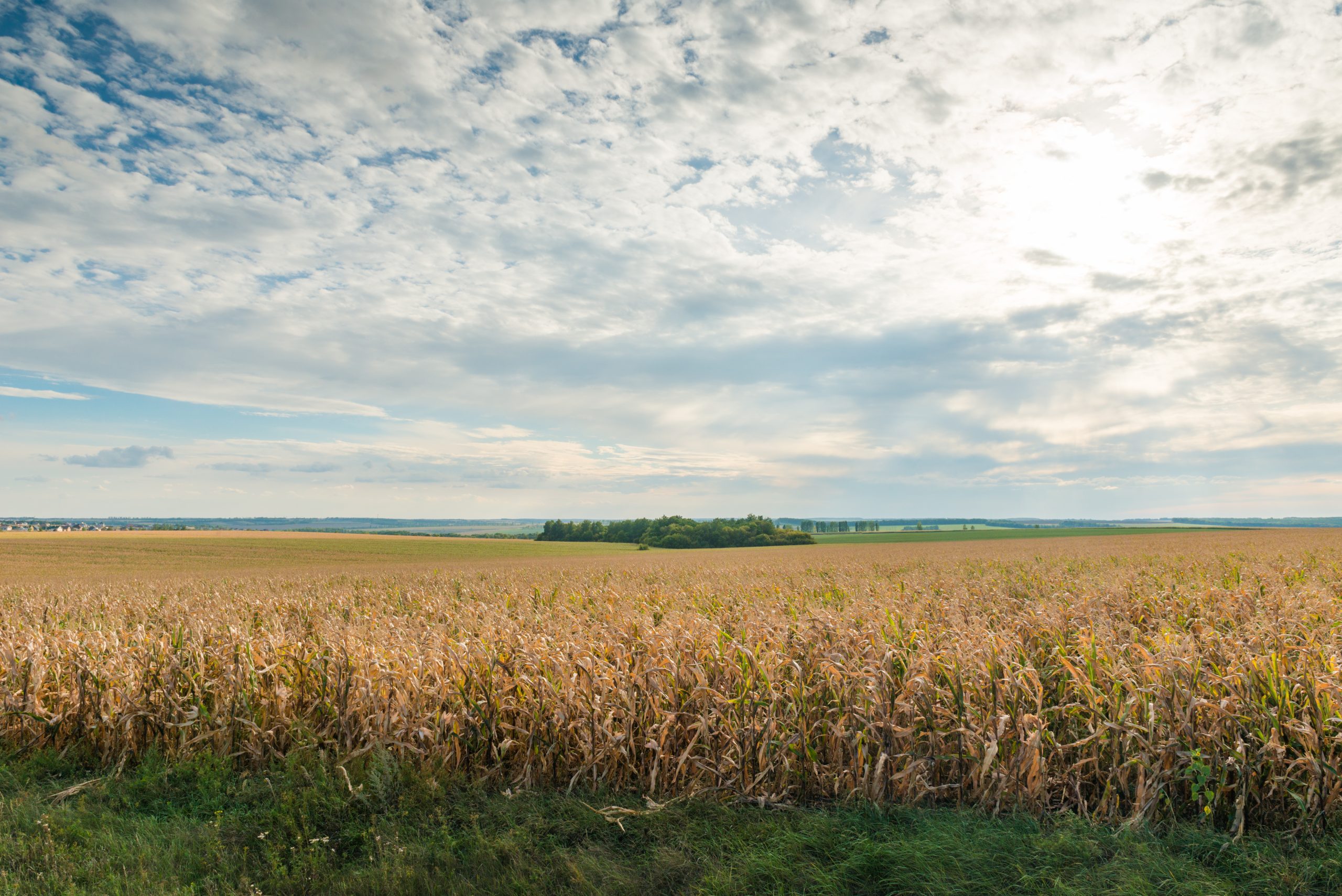
Midwestern summers are known for heat and humidity, but in agricultural regions like Northern Indiana, there is another major factor that influences outdoor conditions. Locals often refer to it as “corn sweat,” a common term for evapotranspiration, where corn releases moisture into the atmosphere during peak summer growth.
This process increases ambient humidity across large farming regions, creating conditions that directly affect how exterior paint dries, cures, and holds over time. Cornfields essentially act as a seasonal environmental system that continuously adds moisture to the air during the hottest months of the year.
For homeowners and contractors, this means exterior painting is not just about temperature or sunlight—it is also about moisture in the air and how quickly surfaces can properly cure.
What Is Corn Sweat?
Corn sweat refers to evapotranspiration, the natural process where corn plants absorb water from the soil and release it back into the atmosphere through their leaves as water vapor.
This becomes especially noticeable in states with large agricultural coverage such as Indiana, Illinois, and Nebraska, where millions of acres of corn are actively growing during the summer season.
Michigan State University Extension explains that crop-based evapotranspiration can significantly intensify both heat and humidity during peak growing periods.
University of Illinois Extension further highlights that corn fields can measurably raise local atmospheric moisture, especially during sustained heat waves.
CDC also notes that high humidity combined with heat increases environmental stress conditions, which is important when evaluating outdoor performance factors such as coatings and surface materials.
Why Corn Sweat Matters for Exterior Paint
Exterior paint performance depends heavily on controlled drying conditions. When humidity increases, evaporation slows down, which directly affects how paint bonds to siding and trim.
Nebraska State Climate Office reports that evapotranspiration from corn contributes measurably to seasonal humidity spikes across the Midwest.
In real-world painting conditions, this leads to several challenges:
- Slower drying between coats
- Reduced adhesion to surfaces
- Moisture trapped under paint layers
- Increased risk of blistering or bubbling
- Shortened coating lifespan
EPA emphasizes that environmental conditions and surface preparation both play a major role in coating durability, especially for exterior applications.
In high humidity environments, paint does not just dry slower—it behaves unpredictably, which increases failure risk over time.
Why Summer Conditions Create the Highest Risk
July and August are the most challenging months for exterior painting in Northern Indiana. This is when corn is fully developed and evapotranspiration activity is at its peak.
CDC explains that high heat combined with humidity intensifies environmental stress, which also impacts outdoor work conditions and material performance.
During this period:
- Afternoon storms interrupt application timing
- Surfaces become too hot for stable adhesion
- Overnight moisture leaves siding damp
- Humidity remains elevated even after sunset
Michigan State University Extension confirms that evapotranspiration increases significantly during peak crop growth cycles.
This combination creates a situation where paint is constantly fighting against moisture in the air.
Signs Humidity Is Affecting Exterior Paint
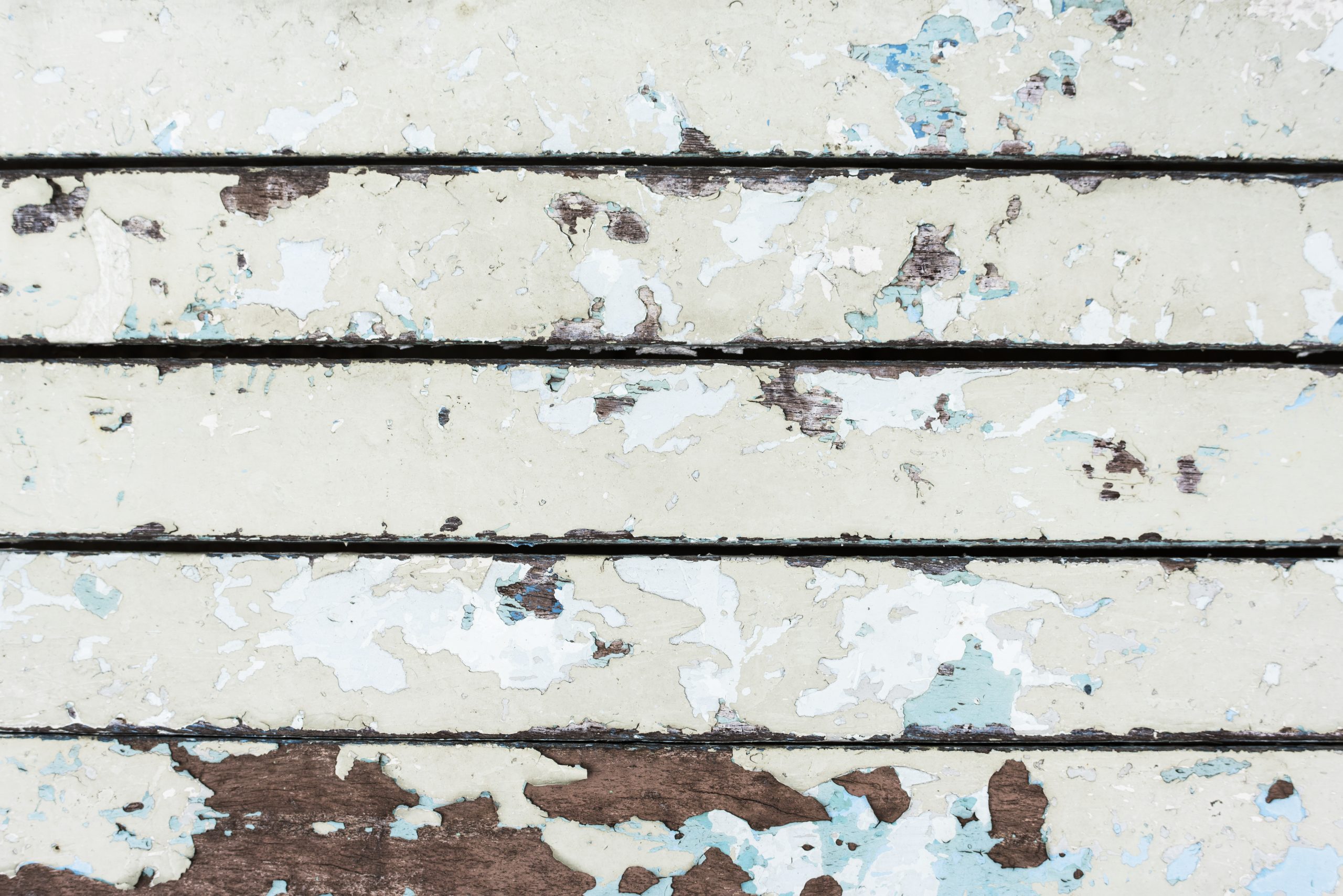
Humidity-related paint issues often appear gradually and may be mistaken for product defects or application errors.
Common signs include:
- Blistering or bubbling on exterior siding
- Peeling around joints, edges, and trim
- Sticky or soft paint surface after drying
- Uneven color or inconsistent sheen
- Mold or mildew forming in shaded areas
EPA highlights moisture exposure and inadequate surface preparation as major contributors to coating failure in residential environments.
In regions affected by corn sweat, humidity adds another layer of environmental stress that accelerates these issues.
How Professional Painters Adapt to High Humidity
Professional painters in agricultural regions adjust their methods based on moisture conditions rather than relying only on temperature.
Key approaches include:
- Measuring surface moisture before application
- Working during early morning low-humidity windows
- Monitoring dew point for accurate painting conditions
- Using coatings formulated for humid environments
- Allowing extended curing times between coats
- Avoiding application after overnight condensation
Nebraska State Climate Office confirms that evapotranspiration is a measurable factor in Midwest humidity variation.
Because of this, painters must constantly adjust timing and technique to maintain long-term durability.
When to Schedule Exterior Painting in Northern Indiana
Timing is one of the most important factors in achieving durable exterior results.
Late spring and early June are typically the most stable periods because:
- Humidity levels are more manageable
- Corn is still in early growth stages
- Drying conditions are more predictable
- Weather disruptions are less frequent
Once July begins, corn evapotranspiration increases significantly, making paint performance less stable and more dependent on short daily weather windows.
Scheduling before peak humidity season reduces the risk of coating failure, extended drying times, and premature surface breakdown.
Planning for Long-Term Exterior Durability
Corn sweat is not just a regional weather term—it is a measurable environmental factor that influences how exterior paint performs across the Midwest.
When combined with heat and humidity, it creates a natural moisture cycle that directly affects drying behavior, adhesion strength, and coating lifespan.
CDC reinforces that combined heat and humidity conditions significantly increase environmental stress, which is a useful comparison when evaluating outdoor material durability.
Understanding this allows homeowners to better plan maintenance schedules and avoid peak-risk painting periods.
Working with experienced professionals like Cutting Edge Painting LLC ensures exterior projects are scheduled around real environmental conditions, improving long-term performance and reducing repaint frequency.