
Pressure Washing Before Painting
Why It Matters for Homes in South Bend, Mishawaka, and Elkhart
If you are planning to repaint your home’s exterior, one of the most important steps happens before the first coat of primer or paint ever goes on. That step is pressure washing before painting. For homeowners in South Bend, Mishawaka, and Elkhart, skipping this part of the process can lead to poor adhesion, uneven coverage, and a paint job that simply does not last as long as it should.
At Cutting Edge Painting LLC, we see this often: homeowners focus on color selection and product choice, but the real foundation of a long-lasting exterior paint job is surface preparation. Paint performs best when it is applied to a clean, sound, dry surface. When dirt, chalk, mildew, pollen, and other buildup stay on the siding, trim, or soffits, they can interfere with how well the new coating bonds.
That is why pressure washing before painting is not just a nice extra. It is a core part of doing exterior painting the right way.
Why Exterior Surfaces Need to Be Clean Before Painting
Paint is designed to adhere to the surface underneath it, not to a layer of grime sitting on top. Over time, homes in Northern Indiana collect a surprising amount of residue. Even if your siding does not look especially dirty from the street, it may still be holding:
Dust and airborne debris
Pollen
Mold or mildew
Chalking from old paint
Cobwebs and insect residue
Road film and general grime
Sherwin-Williams Exterior Painting and Sherwin-Williams Paint Chalking Guidance specifically state that exterior surfaces should be cleaned of surface contamination such as dirt, mold, mildew, grease, loose paint, and other foreign matter before painting. It also notes that chalking should be removed by washing or power washing so the new coating can perform properly.
Benjamin Moore gives similar guidance for repainting vinyl siding, stating that mildew, chalk, and dirt must be removed to ensure maximum adhesion and that the surface must be thoroughly rinsed and dry before priming or painting. Source: Benjamin Moore Painting Vinyl Siding.
In plain terms, pressure washing before painting helps create the clean, stable surface your new paint needs.
What Happens If You Skip Pressure Washing Before Painting
It can be tempting to rush ahead, especially when the weather is finally good, and you want the project moving. But painting over a dirty exterior often creates problems that show up faster than most homeowners expect.
Poor Adhesion
If paint is applied over chalk, mildew, or dirt, it may not bond well to the siding or trim. That weak bond can lead to peeling, flaking, or early paint failure.
Uneven Finish
Buildup on the surface can make the final appearance look inconsistent. Even a premium exterior paint can look rough if the wall underneath was not cleaned properly first.
Trapped Contaminants
Mildew and organic growth should be treated and removed, not painted over. Sherwin-Williams Mildew Guidance notes that mildew must be removed before painting and recommends washing the surface and allowing it to dry before coating.
Shorter Paint Life
A paint job is a real investment. If the surface is not properly prepared, that investment may not last nearly as long as it should. In many cases, homeowners end up paying sooner for touch-ups or a full repaint.
That is the practical reason pressure washing before painting matters so much. It helps protect the life of the entire project.
What Pressure Washing Actually Removes
A proper wash does more than brighten the house. It helps remove the specific contaminants that can compromise paint performance.
Dirt and Debris
Basic surface dirt can prevent a smooth bond between the substrate and the new coating.
Chalking
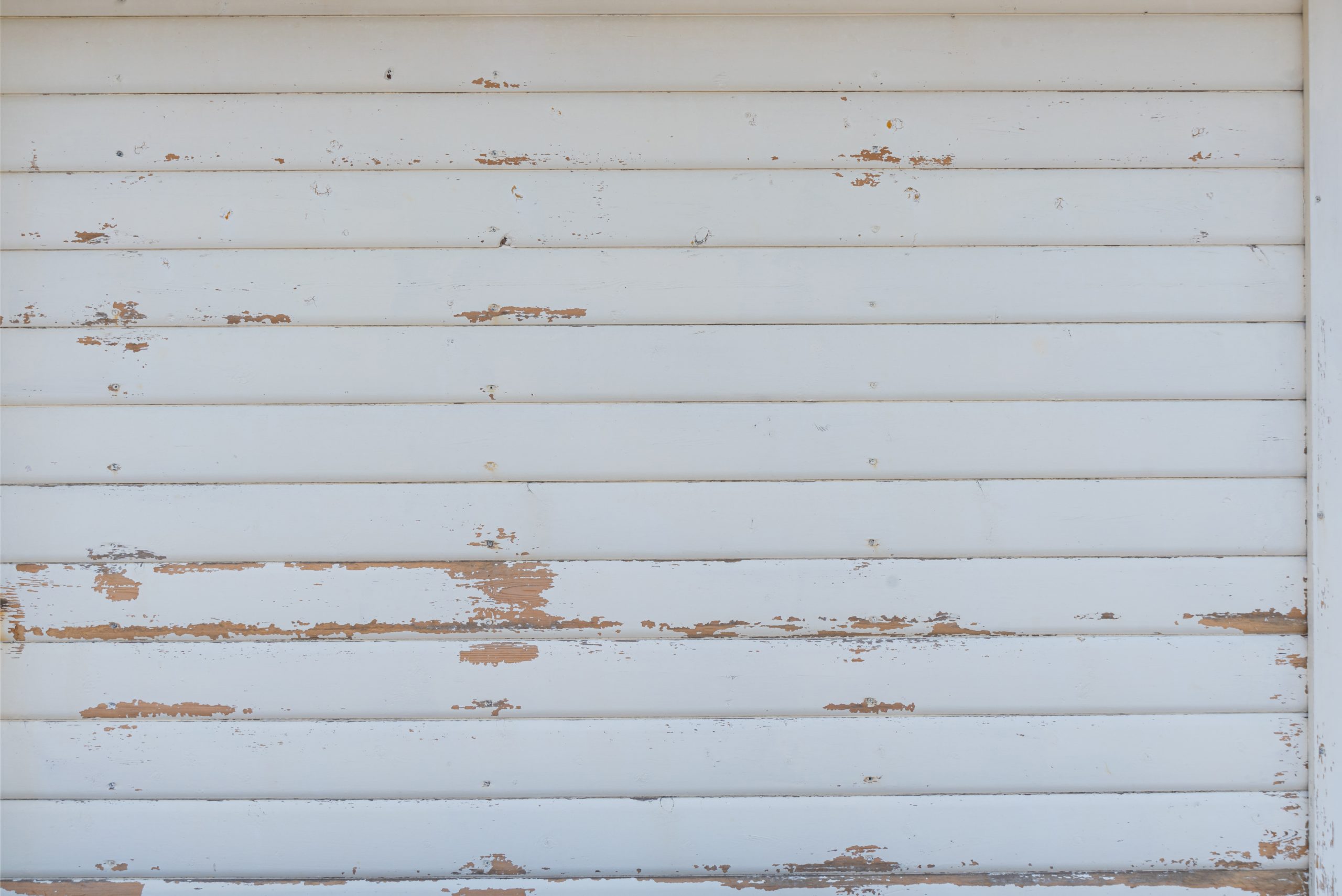
Older paint often breaks down into a fine powder called chalking. Sherwin-Williams recommends removing this residue by rinsing or power washing before repainting. If chalk remains, another wash may be needed.
Mildew
Mildew is common on shaded or damp parts of a home. It needs to be cleaned and treated before painting, not sealed underneath a new coat.
Loose Surface Material
While pressure washing is not a substitute for scraping and detailed prep, it helps expose loose paint, weak areas, and surface issues that need attention before priming and painting begin.
Pressure Washing Is Part of a Bigger Prep Process
Homeowners should know that pressure washing before painting is essential, but it is still only one part of proper prep. A quality exterior painting process usually also includes:
Allowing adequate dry time after washing
Scraping loose or failing paint
Sanding rough transitions
Caulking gaps where appropriate
Spot-priming bare areas
Checking for wood rot or substrate damage
Washing is what clears the surface so the rest of the preparation can be done correctly. It is the starting point, not the whole process.
Safety Matters, Especially on Older Homes
For homes built before 1978, exterior prep can involve lead-paint considerations. The EPA Pressure Washing and RRP Requirements and EPA Lead Regulations state that pressure washing is not prohibited under the Renovation, Repair and Painting Rule, but it is subject to the same containment requirements as other permissible work practices. The agency also notes that contractors working on pre-1978 homes must use lead-safe practices where required.
That matters because exterior prep is not just about getting a clean surface. It is also about doing the work responsibly and safely.
Why Homeowners Should Not Treat This as an Optional Step
Some painting estimates cut corners by minimizing prep. That can make the price look attractive at first, but it often leads to disappointing results later. When a painter skips or rushes pressure washing before painting, the homeowner usually pays for it in reduced paint life, weaker adhesion, and a finish that does not hold up.
A proper exterior paint job should not just look good when the crew leaves. It should keep looking good through Indiana summers, wet springs, falling leaves, and winter weather. That starts with a clean surface.
How Pressure Washing Before Painting Protects Your Investment
If you want your exterior paint project to last, prep is where the value is built. Pressure washing before painting helps remove the dirt, chalk, mildew, and residue that stand between your home and a durable finish. It improves adhesion, supports a cleaner final look, and gives the new paint its best chance to perform the way it was designed to.
For homeowners in South Bend, Mishawaka, and Elkhart, that step is especially important because of the moisture, seasonal buildup, and changing weather our homes face throughout the year. When the goal is a longer-lasting, better-looking exterior paint job, washing first is not overkill. It is essential.